Home
Home
 Trends
 Recognitions
 Academy
 About Mosaic
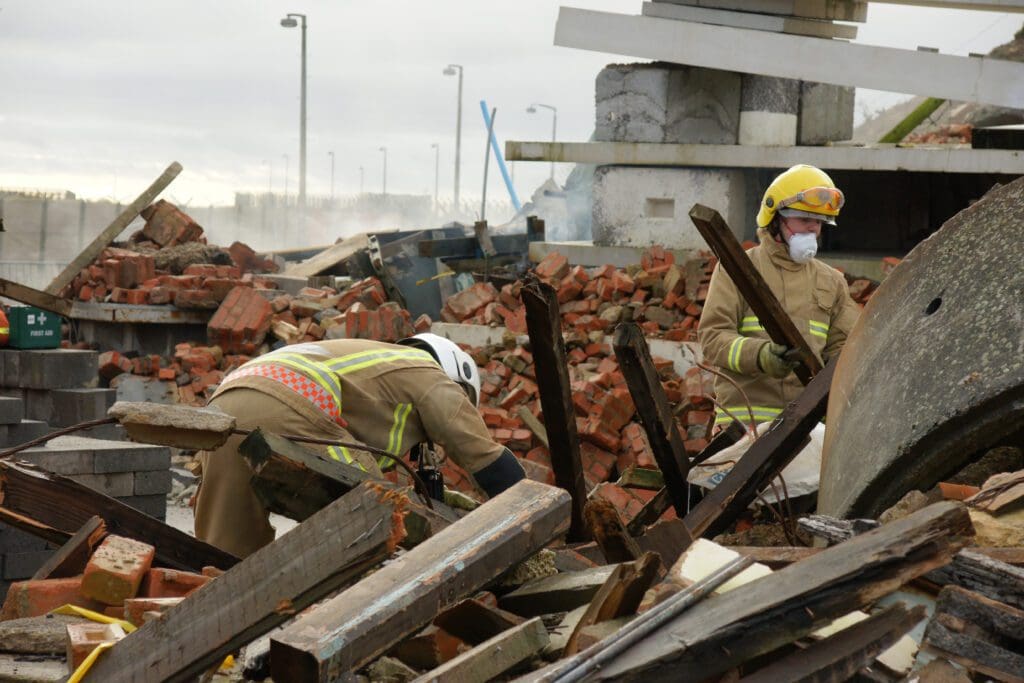
This impacts one of our most basic and essential needs: shelter. Typically, the insurance industry evaluates a range of risk conditions to determine whether a property is viable to insure. But as unprecedented weather damage continues to hit some of the same areas over and over again, carriers have actually begun to retract coverage over the past few years.
Scientists see these trends continuing into the foreseeable future. So how do insurers continue to provide the protection and stability we’re known for when risk levels are reaching unprecedented levels? How can our members feel protected and secure amidst so much instability?
Technological innovation may provide some solutions. Data shows that homes built using certain building materials and construction methods are more apt to withstand strong winds, fire and flooding. Even something simple like a white roof can significantly lower the surface temperature of a property, helping prevent fire. At the same time, satellite imagery is getting better than ever at predicting where and when weather-related incidents will occur. This data can be leveraged to inform recommendations that could minimize or prevent loss from occurring.
These are big challenges, and will still require more ingenuity and time. But in the meantime, how do we continue to protect when risk levels are rising so dramatically?
Assemble an innovation team
- Gather a cross-functional team that’s equipped to look at the challenge from multiple angles. Consider bringing in experts from outside the industry to infuse new perspectives.
Explore the topic
- Look at the topic from a variety of perspectives. Throw brainstorming stimulus into the conversation to help everyone imagine more dynamic solutions. And above all, give yourself the space to innovate.
Test solutions
- Develop rough prototypes, then test them with a subset of our customer base. Seek to understand what best fulfills their needs. Continue testing and iterating.